
Text-to-Video vs Image-to-Video: Which AI Workflow Should You Use?
Understanding when to prompt AI video generators from text alone versus starting from a reference image, and how each affects control, consistency, and cost.
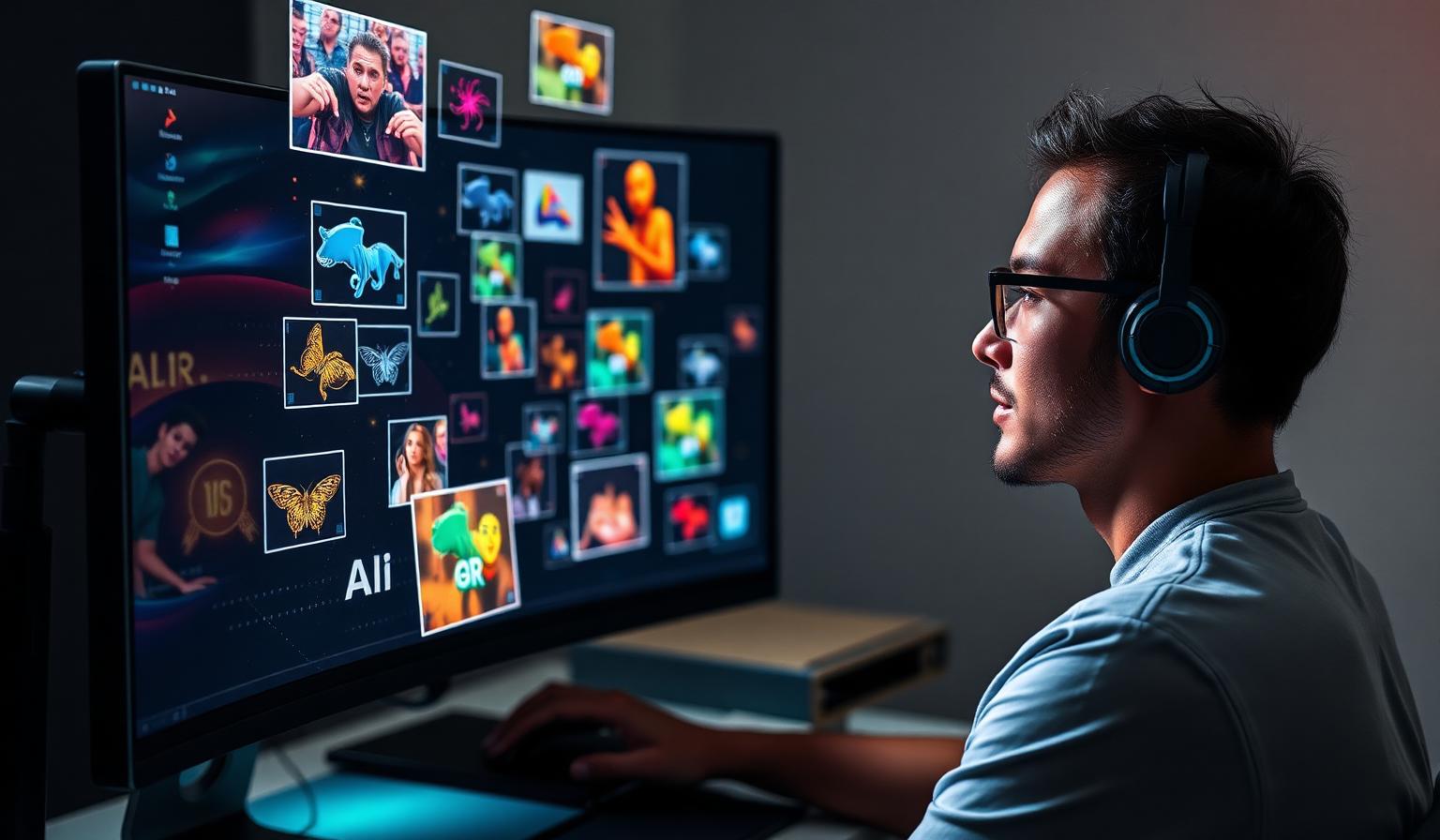
AI video generators generally offer two starting points: describe the shot in text, or feed in a reference image and let the model animate it. Both approaches work, but they solve different problems, and picking the wrong one wastes generations and credits.
How Text-to-Video Works

You write a prompt describing subject, action, camera movement, and style, and the model generates the full clip from scratch. This is the more flexible option creatively — there's no existing image constraining the composition — but it's also the least predictable. Getting a specific character's face, a precise color palette, or a consistent background across multiple shots is genuinely difficult with text alone, because each generation is essentially reinterpreting the scene independently.
Text-to-video is best for:
- Concept exploration when you don't yet know what the shot should look like
- Abstract or stylized content where exact consistency doesn't matter
- Quick social clips that don't need to match other footage
How Image-to-Video Works

You start with a still image — a product photo, a character design, a stock photo, or a frame from Midjourney — and the model adds motion: camera pans, subject movement, environmental effects. Because the starting composition is locked in, output is far more predictable, and it's the only practical way to keep a character or product looking consistent across multiple generated clips.
Image-to-video is best for:
- Product and brand content where a specific look must be preserved
- Multi-shot sequences using a shared visual style established in stills
- Bringing existing photography or illustration to life
Comparison Table
| Factor | Text-to-Video | Image-to-Video |
|---|---|---|
| Creative control over composition | Lower | Higher |
| Consistency across multiple shots | Low | High |
| Speed to first usable result | Fast | Requires image prep |
| Best for | Exploration, abstract content | Branded, consistent content |
| Typical tools | Runway, Kling, Luma | Runway, Kling, Luma (image mode) |
Building a Hybrid Workflow
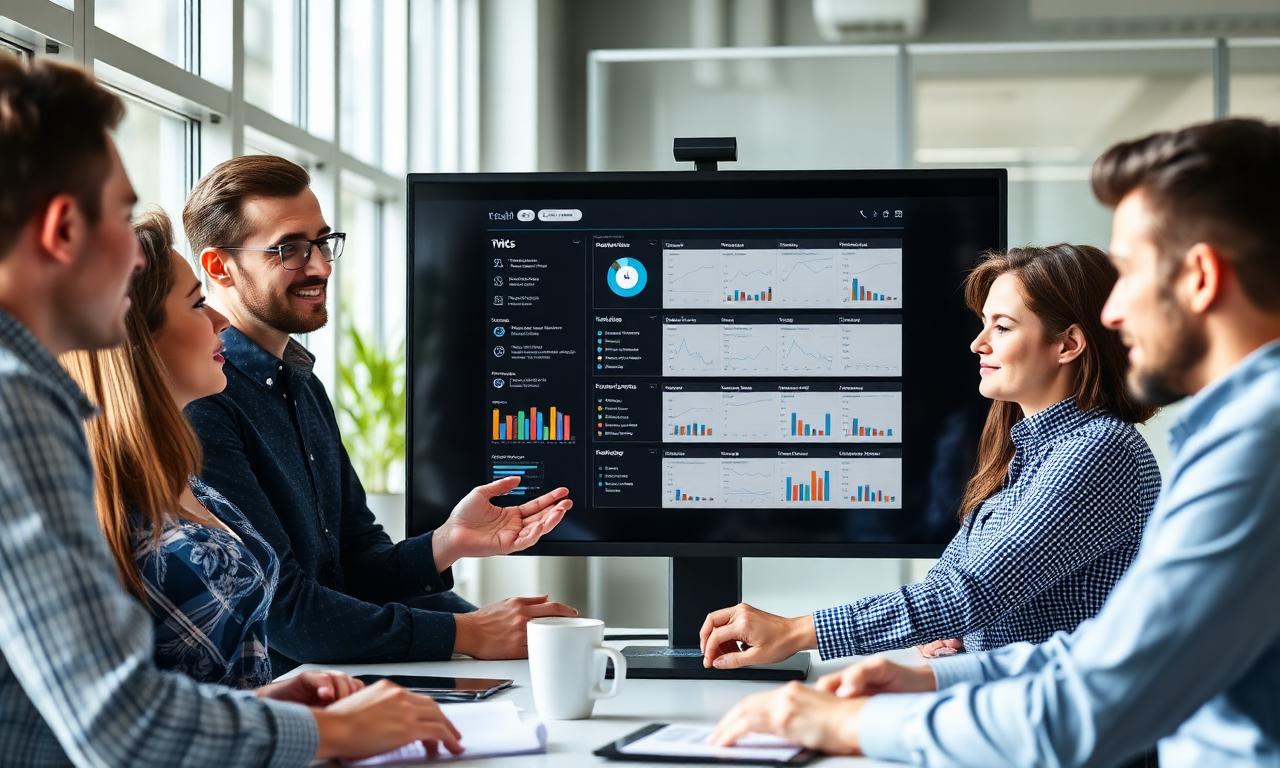
Most professional pipelines in 2026 actually use both stages together: generate or select a still image first — often with a tool like Midjourney — refine it until composition and style are locked, then run it through image-to-video for motion. This gets the creative flexibility of image generation combined with the consistency image-to-video provides, and it's noticeably cheaper than burning credits on repeated text-to-video attempts trying to match a previous shot.
For more on selecting the still-image stage of this pipeline, see our best AI image generators guide, and for a deeper dive on video-specific model comparisons, check AI video tools.
Cost Considerations

Text-to-video generations that don't match your vision on the first or second try get expensive fast, since most platforms charge per generation regardless of whether you use the output. Image-to-video reduces wasted generations because the starting point already does most of the compositional work — you're mainly paying for successful motion, not successful composition.
Bottom Line
Use text-to-video when you're exploring ideas and don't yet know what you want. Switch to image-to-video the moment consistency, branding, or a specific look matters — which, for most commercial video work, is almost immediately.
Keep reading

How to Prompt AI Video Models: Shots, Motion and Continuity That Hold Up
A practical prompting guide for Sora, Runway, Veo and Kling — camera language, motion control, shot lists, and the continuity tricks that make generated clips cut together.

AI Avatars and Dubbing: The Quiet Winner of Corporate Video
HeyGen, Synthesia, ElevenLabs and the avatar tools reshaping training video, product explainers, and multi-language localisation — with costs, quality limits, and consent rules.
The AI Video Editing Workflow: How Solo Creators Ship Weekly Now
A complete AI-assisted video workflow — scripting, recording, auto-editing, captions, repurposing, and thumbnails — that turns a two-day edit into a two-hour one.