The AI Tool Security and Privacy Checklist: How to Vet a Vendor Before You Buy
A practical checklist for vetting any AI vendor's security and privacy practices before adopting it, covering data training, retention, compliance, and access control.
Most AI Procurement Mistakes Happen Before the Contract Is Signed
Organizations rarely get burned by AI tools because the model produced a bad output. They get burned because nobody asked the vendor the right questions before rollout — questions about where data goes, whether it trains future models, and who can access it. This checklist is a practical starting point for vetting any AI vendor, whether it's a chatbot, a coding assistant, or an embedded feature inside existing software.
1. Data Training and Reuse
The single most important question: does the vendor use your submitted data to train models that other customers might benefit from? Enterprise-tier AI products typically offer a contractual guarantee against this; free or consumer tiers frequently do not. Get this in writing in the contract, not just as a claim on a pricing page — marketing copy is not a binding commitment.

2. Data Retention and Deletion
Ask exactly how long submitted data is retained, whether it's retained for abuse monitoring even after you delete your account, and what the actual deletion process looks like on request. Some vendors distinguish between "not used for training" and "not retained at all," and the difference matters for compliance obligations like GDPR's right to erasure.
3. Certifications and Audits
Look for independent verification, not self-reported claims:
| Certification | What It Verifies |
|---|---|
| SOC 2 Type II | Security controls operated effectively over time, independently audited |
| ISO 27001 | Information security management system standards |
| HIPAA BAA availability | Willingness to sign a Business Associate Agreement for healthcare data |
| GDPR/data processing addendum | EU data protection compliance terms |
A vendor unwilling to share a SOC 2 report under NDA is a warning sign, particularly for a tool that will touch sensitive data.
4. Access Control and Scope
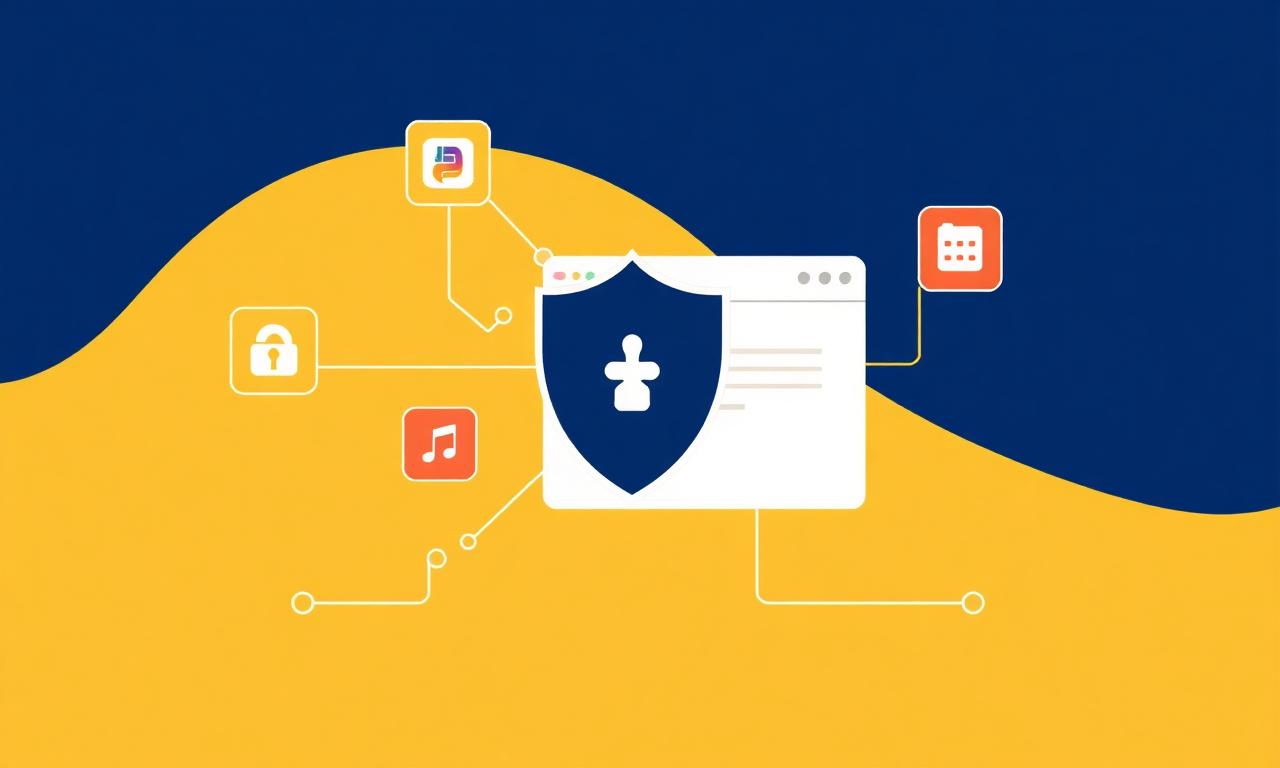
For any AI tool that integrates with existing systems — email, a CRM, a codebase, a file storage system — confirm it requests the minimum access scope necessary and that access can be revoked cleanly. Tools requesting broad, unscoped permissions ("full account access") when a narrower scope would suffice deserve extra scrutiny. This is especially relevant for autonomous agent tools that can take actions on your behalf; understand exactly what an agent can do without human approval before granting it access.
5. Model Provenance and Update Behavior
Ask which underlying model powers the product (sometimes a vendor wraps a third-party model like GPT or Claude rather than running their own), whether model updates can change behavior without notice, and how the vendor handles known model failure modes like hallucination in your specific use case. Comparisons like our ChatGPT vs Claude 2026 piece are useful for understanding baseline model behavior even when evaluating a downstream product built on top of one of them.

6. Incident Response and Breach Notification
Confirm the vendor has a documented incident response plan and contractual breach notification timelines. If the vendor cannot describe what happens in the first 24 hours after a suspected breach, that's a gap worth flagging before signing.
7. Pricing Transparency Tied to Data Practices
Sometimes free or lower tiers exist specifically because that data is used for training — understand the pricing-privacy tradeoff explicitly rather than assuming a paid tier is inherently safer without checking the terms. Our AI tool pricing explained guide walks through how pricing tiers commonly map to data usage rights.

A Compact Vetting Checklist
- Written commitment against training on your data (enterprise tier)
- Clear data retention and deletion policy
- SOC 2 Type II or equivalent audit available under NDA
- BAA available if handling health data; DPA available if handling EU personal data
- Minimum necessary access scope for any system integration
- Documented incident response and breach notification terms
- Clarity on underlying model provenance and update cadence
The Bottom Line
Vetting an AI vendor is not fundamentally different from vetting any other software vendor with access to sensitive data — the same procurement discipline applies, it's just that AI-specific questions (training reuse, model provenance, agent permissions) need to be added to the standard list. Organizations that skip this step tend to find out the hard way, often during a compliance audit rather than at signup. For deeper comparisons of specific tools mentioned in vendor evaluations, see our full AI tool reviews category.
Keep reading

AI Tool Pricing Explained: Seats, Credits, Tokens and the Bills That Surprise You
How AI pricing models really work — per-seat, credit packs, token metering, and usage tiers — plus how to estimate cost before you commit and avoid the classic overage traps.
How We Test AI Tools: Our Scoring Framework, Explained
The methodology behind every review on this site — the seven scoring criteria, the standard test prompts, how we handle vendor relationships, and what we refuse to score.

AI Tools for Small Business: A $100/Month Stack That Replaces Three Contractors
A practical, priced AI toolkit for small businesses — marketing, customer support, bookkeeping admin, and sales — with what to adopt first and what to skip.