
Midjourney Prompt Structure: The Formula Professionals Actually Use
A practical Midjourney prompting framework — subject, environment, lighting, lens, style, parameters — plus reference workflows for consistent characters and brand visuals.
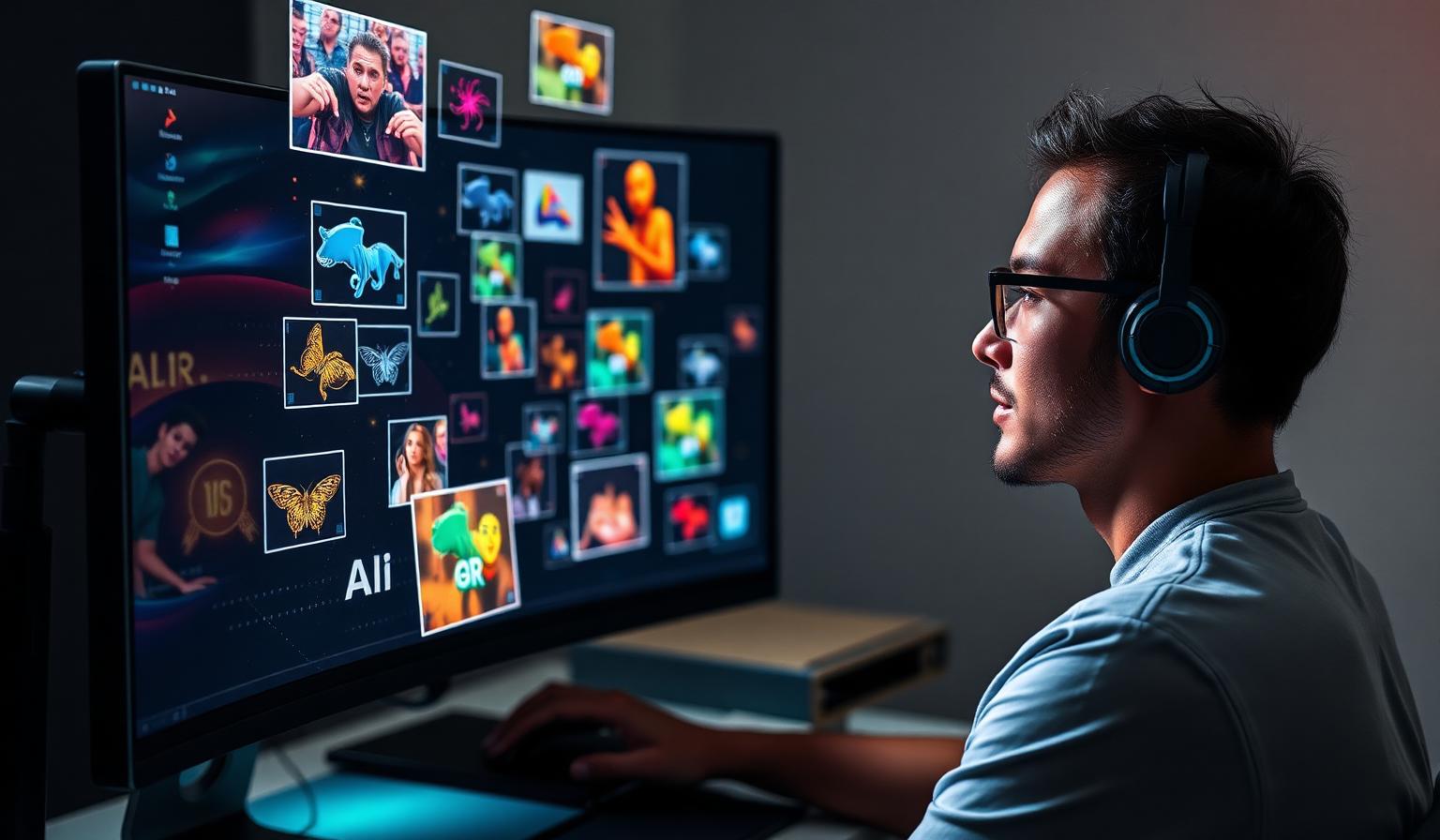
Most bad Midjourney output comes from prompts written as wishes rather than briefs. A wish is "a beautiful futuristic city." A brief tells the model what's in frame, where the light comes from, and what the camera is doing.
The six-slot formula
Write prompts in this order. You can skip slots, but keep the sequence — earlier words carry more weight.
1. Subject — who or what, with the details that matter. "A woman in her sixties in a linen apron, flour on her hands"
2. Action or pose — what's happening. "leaning over a marble counter, mid-laugh"
3. Environment — where, with two or three concrete props. "in a small bakery kitchen, copper pans, morning light through a steamed window"
4. Lighting — direction, quality, time. "soft directional daylight from camera left, warm bounce fill"
5. Camera and lens — the strongest realism lever there is. "shot on 50mm, f/2, eye level, shallow depth of field"
6. Style and medium — only after the above. "editorial food photography, muted warm palette, subtle film grain"
Assembled, that's a brief a human photographer could shoot. That's the test.
Parameters worth knowing
--araspect ratio. Set it deliberately:16:9for hero images,4:5for social,3:2for editorial.--style rawstrips much of the house aesthetic. Use it whenever you want photographic neutrality.--stylize(0–1000) trades prompt accuracy for beauty. Low for product accuracy, high for concept art.--chaoswidens variation across the grid. Useful in exploration, harmful in production.--noremoves elements.--no text, watermark, extra fingersis a sensible default.--seedfixes the starting noise so small prompt edits produce comparable results.
References beat adjectives
Three reference types do most of the heavy lifting:
- Image prompt (URL in the prompt): influences content and composition.
- Style reference (
--sref): locks a visual look across a whole series. This is how you build a recognisable brand feed. - Character reference (
--cref): keeps the same person across images, with--cwcontrolling how strictly.
For a campaign, generate one hero image you love, then reuse its style reference on every subsequent shot. Consistency stops being a prompt problem and becomes a settings problem.
A repeatable production workflow
- Explore wide. 10–15 loose prompts, high chaos, no attachment.
- Pick a direction. Choose one image that has the right feeling, even if the details are wrong.
- Lock the look. Take its style reference and seed.
- Refine the brief. Rewrite using the six-slot formula, keeping the reference attached.
- Vary deliberately. Change one slot at a time so you learn what caused the change.
- Upscale and finish. Take the winner into Photoshop or an editor for cropping, colour, and text.
Common failure modes and fixes
- Everything looks like a poster. Add
--style raw, lower--stylize, specify a lens. - Faces drift across images. Use character reference, not prompt repetition.
- Text is mangled. Midjourney is the wrong tool. Generate the plate here, set the type in a design app, or use Ideogram — see our image generator comparison.
- Composition is cluttered. Cut props. Three is usually two too many.
- Colours fight your brand. Name the palette explicitly and add a style reference from your own assets.
What to write down
Keep a working file with: prompts that produced approved images, their seeds and style references, your standard negative list, and your aspect ratios per channel. Six months in, that file is worth more than any prompt list you'll find online — including this one.
For the wider tool landscape, read Midjourney vs DALL·E vs Stable Diffusion or browse AI Image & Design Tools.
Keep reading
AI Photo Editing in 2026: Generative Fill, Upscaling and the Retouching Stack
Which AI photo editing tools are worth paying for — generative fill, background removal, upscaling, and batch retouching — tested on real product and portrait work.
AI Tools for Logo and Brand Design: What Works, What Fails, What to Avoid
Where AI genuinely helps with branding — moodboards, iterations, mockups, brand systems — and where it produces logos you'll regret. With a practical workflow and tool picks.
The Best AI Image Generators in 2026: A Buyer's Guide for Real Work
Midjourney, DALL·E, Stable Diffusion, Firefly, Ideogram and Flux compared on quality, text rendering, licensing, and price — with clear picks for each use case.