Midjourney vs DALL·E vs Stable Diffusion: The 2026 Image AI Showdown
A practical 2026 comparison of the three leading AI image generators — Midjourney, DALL·E, and Stable Diffusion — with prompts, pricing, licensing, and real-world workflows.
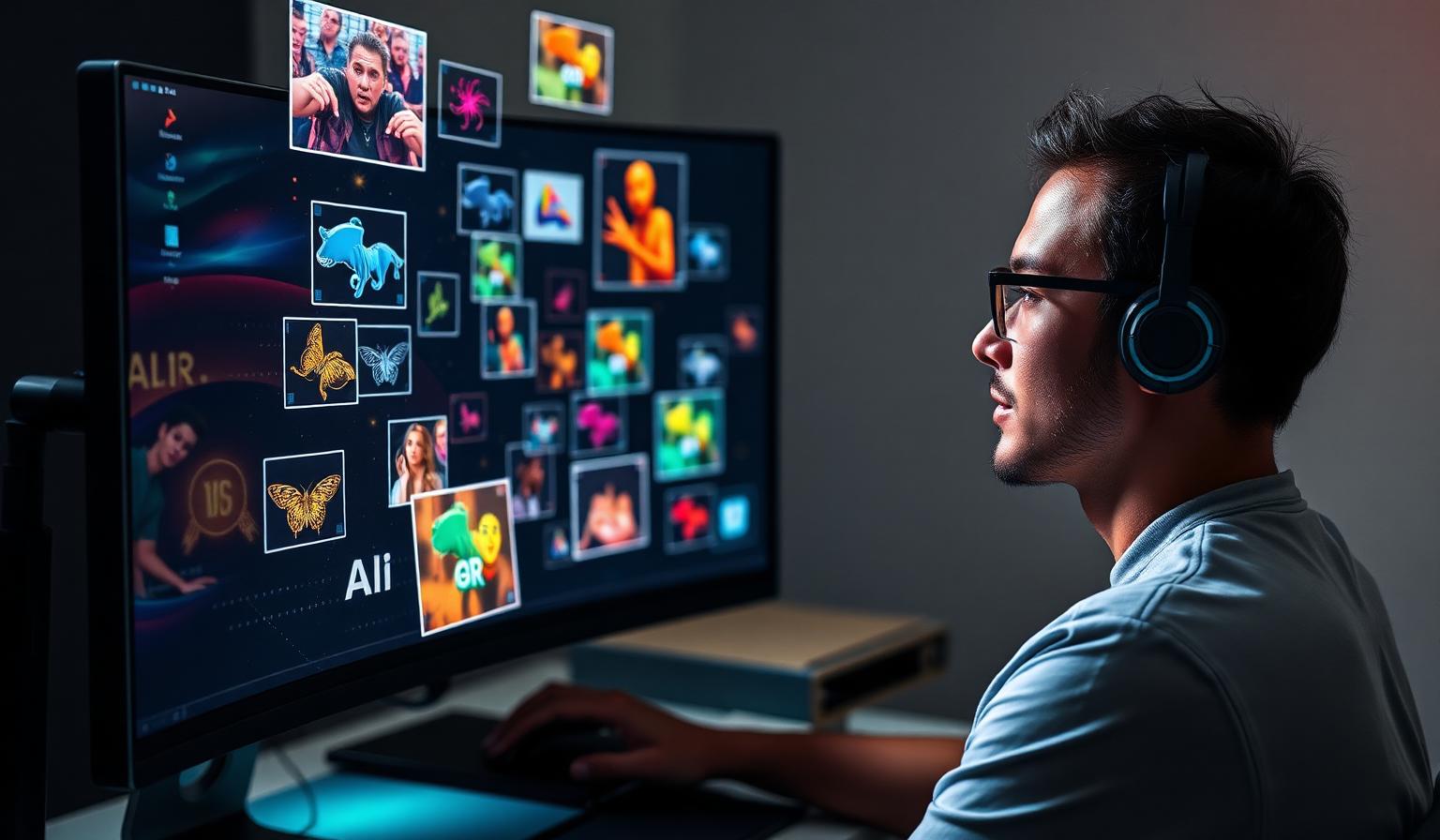
Three years after the AI image generation boom began with DALL·E 2 and Midjourney v1, the landscape has matured into something stranger and more interesting than anyone predicted. The frontier has shifted from "can it make a picture?" to "can it make a useful picture, at production quality, in the right style, with the right licensing, in under ten seconds?"
If you're choosing one tool — or trying to assemble a stack — this guide compares the three names that still dominate professional creative work in 2026: Midjourney, DALL·E (now baked into the GPT image model), and Stable Diffusion (the open ecosystem). We've spent the last six months using all three in client work and will tell you which wins for which job.
The 30-second summary
- Midjourney is the artist. The best out-of-the-box aesthetic, the most flexible style controls, the smallest learning curve for beautiful images.
- DALL·E (via ChatGPT) is the assistant. The best at following complex instructions, rendering legible text, and editing existing images. The default for marketers and non-designers.
- Stable Diffusion is the engine. The most flexible, most controllable, fully open, and the only option for serious commercial pipelines with custom characters, branded styles, and on-prem privacy.
Most professionals use two, sometimes all three. Let's unpack why.
Midjourney: still the aesthetic gold standard
Midjourney has been the leader in taste for the entire history of consumer AI image generation, and Midjourney v7 (released in late 2025) widened that lead. Out of the box, with almost no prompting skill, you can produce images that look like they belong in a magazine.
What Midjourney does best:
- Default beauty. Even a one-line prompt like "a cyclist on a mountain pass at dawn" produces cinematic, lit, composed images. Other tools require you to specify lens, lighting, and mood.
- Style references. You can pass any image as a style reference (
--sref) and Midjourney will apply that visual language to your prompt. This is the closest thing in any tool to truly transferable brand styles. - Character reference.
--crefkeeps the same character across multiple images, which is essential for storyboards, comics, and product photography with consistent talent. - Variations and remixing. Iteration loops are fast and visual — you click, you remix, you upscale, you ship.
Where Midjourney falls short:
- No native editing. You can inpaint, but you can't take a real photograph and modify it the way you can in DALL·E or Stable Diffusion.
- Text rendering is still imperfect. Posters with long quotes will have garbled letterforms.
- Closed system. No API for most users, no on-prem option, no fine-tuning. You're a guest in Midjourney's house.
Pricing: $10/month entry tier with limited generations, $30 for the Standard plan, $60 for Pro (private images and unlimited relaxed mode). Commercial use is permitted on paid plans.
DALL·E: the best image model for non-designers
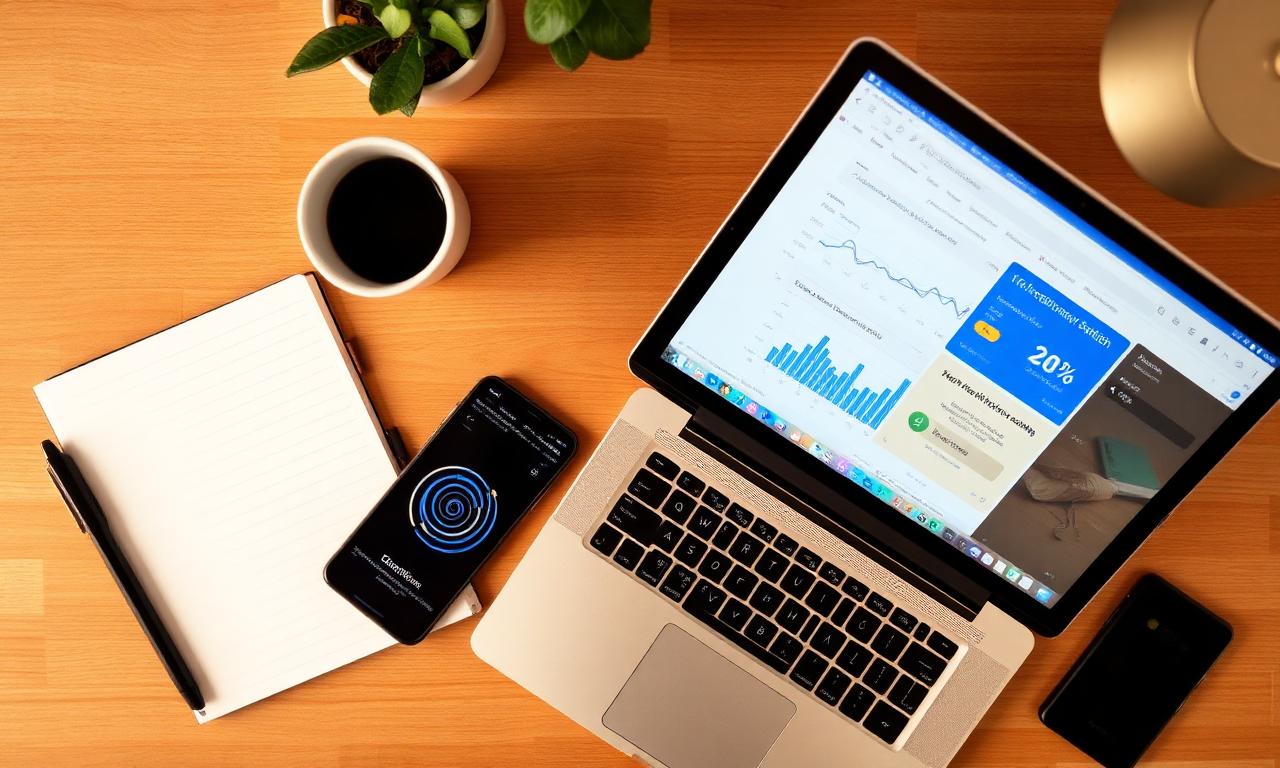
OpenAI quietly dethroned its own DALL·E 3 with the GPT image model baked directly into ChatGPT. Ask ChatGPT for an image and the model now generates with extraordinary instruction-following and the best text-rendering of any image AI on the market.
The killer feature isn't the images themselves (Midjourney still wins on pure aesthetics for most styles) — it's the conversational workflow. You can say:
"Make a hand-drawn infographic explaining how compound interest works. Include three example scenarios, use a warm color palette, and add a small llama mascot in the corner."
And get back a legible infographic, with correct text and a coherent layout, in one shot. Then: "Make the llama wear glasses and add a fourth scenario for index funds." It just works.
What DALL·E does best:
- Text in images. Posters, infographics, memes, labels, signage — DALL·E reads and renders text far better than competitors.
- Edits in-thread. Upload a photo, ask for changes, get a new version. Background swaps, object removal, style transfers — all conversational.
- Reliable composition. When you ask for "three apples on a wooden table next to a glass of milk," you get exactly that. Other models still struggle with object counting.
- Vector-ready output. Logos, icons, and clean-line illustrations come out cleaner than from diffusion-only competitors.
Where DALL·E falls short:
- Less visual range. Defaults toward a polished, slightly "AI-illustration" style. Harder to push toward gritty, painterly, or photographic extremes than Midjourney.
- Limited fine control. No equivalent to Midjourney's
--srefor Stable Diffusion's LoRAs and ControlNets. - Bundled pricing. You pay for ChatGPT Plus ($20/mo) which includes image generation with reasonable limits. No standalone image tier.
For most marketers, founders, and small-business owners — anyone who needs good enough images, fast, with text that reads correctly — DALL·E is the right default.
Stable Diffusion: the open ecosystem
Stable Diffusion is not one product. It's a family of open-weight models (SDXL, SD3, FLUX-derived variants, and an ever-growing menagerie of community fine-tunes on Civitai) plus a constellation of interfaces (ComfyUI, Automatic1111, InvokeAI, Krea, Leonardo, Magnific).
That makes Stable Diffusion harder to talk about, but also makes it the only realistic choice for serious production work where you need:
- Custom-trained models. Train a model on your brand's photography, your character lineup, or your art director's portfolio.
- ControlNets. Drive generation with pose skeletons, depth maps, sketches, or scribbles. This is how every major game studio storyboards now.
- LoRAs. Lightweight style and subject adapters you can stack and blend. Want "James Jean style + Studio Ghibli + your CEO's face"? Yes.
- On-prem and private deployment. Run the model on your own GPU cluster. No data leaves your network — the only path that satisfies most enterprise InfoSec teams.
- Real-time generation. Tools like Krea AI and Leonardo's real-time canvas use Stable Diffusion derivatives to generate images at 30+ fps as you sketch.
What Stable Diffusion does worst:
- Setup friction. The "easy" tools (Leonardo, Krea, Tensor.art) hide complexity but charge subscription fees. The "powerful" tools (ComfyUI, A1111) are powerful precisely because they expose every knob — which means you need to learn nodes, samplers, schedulers, CFG values, and a dozen other things.
- No first-party brand. Stability AI has been through corporate turmoil, the SD3 family had a rocky launch, and the Open Model Initiative is splintered. You're betting on the ecosystem more than the company.
How they compare on the things you actually care about
| Task | Best choice |
|---|---|
| Hero image for a blog post | Midjourney |
| Marketing infographic with text | DALL·E |
| Edit a real product photo | DALL·E or Stable Diffusion (inpainting) |
| Character-consistent comic / storyboard | Midjourney (--cref) or Stable Diffusion (LoRA) |
| Brand-locked product mockups at scale | Stable Diffusion with custom LoRA |
| Game asset pipeline | Stable Diffusion + ControlNet |
| One-off social post for non-designer | DALL·E (in ChatGPT) |
| Cinematic concept art | Midjourney |
| On-prem generation for regulated industry | Stable Diffusion only |
Prompt engineering in 2026
Prompts have evolved a lot since the long, comma-separated incantations of 2023. Today the best prompts are short, specific, and conversational. A few patterns that work across all three tools:
- Lead with the subject and action. "A border collie leaping over a creek, mid-air, water splashing."
- Specify the camera language. "Shot on 35mm film, shallow depth of field, golden hour."
- Constrain the style with references, not adjectives. "In the style of [artist]" works less well than "—sref [image URL]" in Midjourney, or a LoRA in Stable Diffusion.
- Iterate, don't perfect. Generate four, pick one, vary it. Spending 20 minutes refining a prompt almost never beats two minutes of remixing.
For long-form prompt research, the Civitai community and the Midjourney Showcase are still the best schools.
Licensing and rights — the part nobody wants to read
This is where many businesses get into trouble. The short version:
- Midjourney: You own what you generate on paid plans; the company has a perpetual license to use your outputs. Commercial use is permitted.
- DALL·E (OpenAI): You own outputs and may use them commercially. OpenAI does not claim a license to your outputs on paid plans.
- Stable Diffusion: Outputs are generally free of model-side restrictions, but specific model checkpoints and LoRAs on Civitai often have their own licenses. Read each model's license. Some are non-commercial, some prohibit training derivative models, some require attribution.
Across all three, AI-generated images currently cannot be copyrighted as standalone works in the U.S. (per Copyright Office guidance), which has real implications if you're building a brand around them. Add human creative input — composition decisions, retouching, illustration over the top — and the copyright situation improves.
Where this is all headed
The frontier in 2026 is not prettier images. It's control. The next twelve months are about:
- Real-time generation at video framerates, blurring the line between image and motion.
- 3D-aware generation — produce an image, get a depth map and a re-lightable 3D mesh for free.
- Personalized models trained on your own photos in seconds, with privacy-preserving on-device training on consumer GPUs.
- Tighter video integration — your image tool and your video tool collapse into one canvas.
If you're choosing your stack today, optimize for workflow fit, not benchmark wins. The right tool is the one that gets your image from idea to client in the fewest clicks.
For more, see our hands-on Sora and Runway review and our broader AI tool reviews and comparisons.
Keep reading
AI Photo Editing in 2026: Generative Fill, Upscaling and the Retouching Stack
Which AI photo editing tools are worth paying for — generative fill, background removal, upscaling, and batch retouching — tested on real product and portrait work.
AI Tools for Logo and Brand Design: What Works, What Fails, What to Avoid
Where AI genuinely helps with branding — moodboards, iterations, mockups, brand systems — and where it produces logos you'll regret. With a practical workflow and tool picks.
Midjourney Prompt Structure: The Formula Professionals Actually Use
A practical Midjourney prompting framework — subject, environment, lighting, lens, style, parameters — plus reference workflows for consistent characters and brand visuals.